Uncovering Links Between Entertainment Formats and Time Allocation Strategies in Nordic Online Gaming Circles
Nils Patterson · Oct 31, 2026
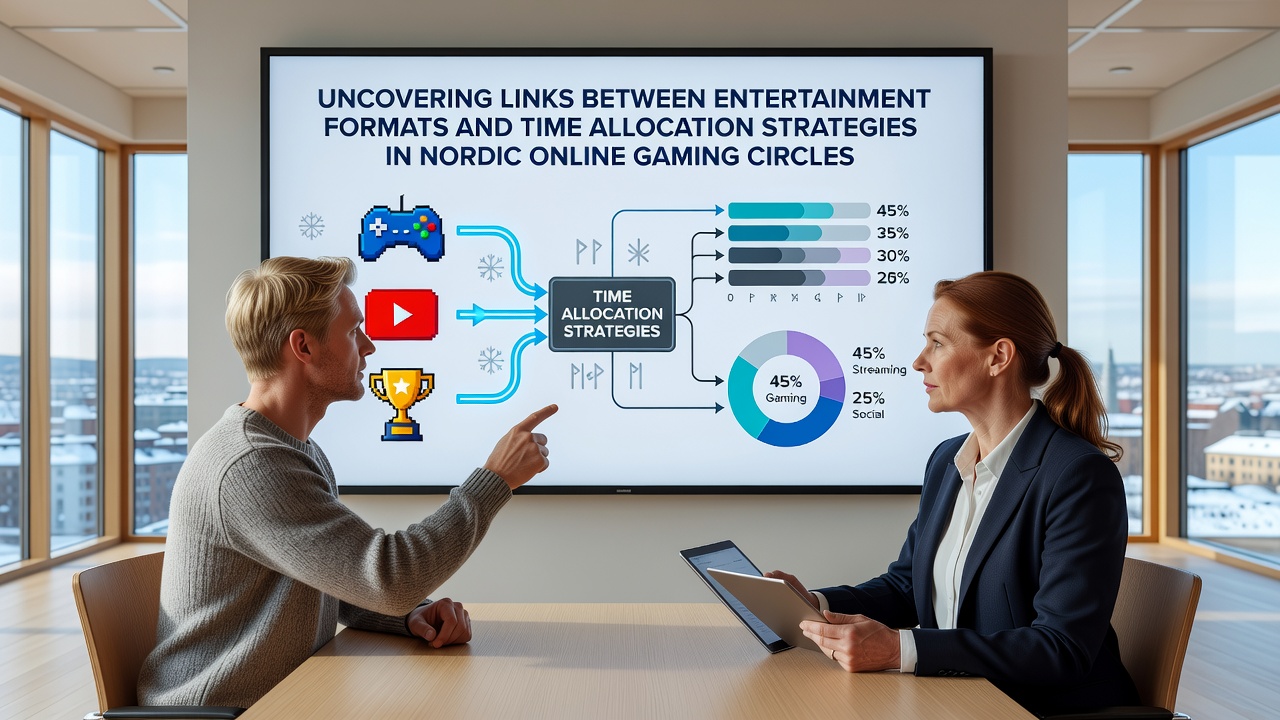
Uncovering Links Between Entertainment Formats and Time Allocation Strategies in Nordic Online Gaming Circles
Online gaming communities across Nordic countries continue to expand their reach, with participants in Finland, Sweden, Norway and Denmark integrating multiple entertainment formats into daily routines while adjusting how they distribute available hours. Data collected through regional surveys shows distinct patterns where format choices correlate with specific time management approaches, particularly as broadband infrastructure supports seamless transitions between devices and platforms.
Varied Entertainment Formats Shaping Daily Engagement
Single-player narrative games, competitive multiplayer environments, live streaming sessions and mobile casual titles each draw different segments of the Nordic gaming population, and observers note that these formats often dictate session lengths along with scheduling preferences. Researchers tracking usage in 2025 and into October 2026 found that mobile formats frequently align with fragmented time slots scattered throughout the day, whereas desktop-based multiplayer experiences tend to cluster during evening blocks when social coordination peaks. Studies from institutions such as the Nordic Gaming Association indicate that live streaming consumption, whether as viewer or participant, extends total screen time yet fragments attention across multiple applications simultaneously.
Those who have examined participation logs discover that esports tournaments create rigid time commitments around fixed match schedules, prompting players and spectators alike to pre-plan other activities around these events. In contrast, open-world single-player titles allow flexible pausing and resumption, which correlates with more spontaneous allocation of shorter intervals between work or study obligations. Data from university-led projects in Sweden reveals that younger demographics shift toward mobile formats during commuting hours, reallocating what might have been idle travel time into active play sessions.
Time Allocation Strategies Across Player Groups
Patterns emerge when analysts compare how different age cohorts and regional groups balance gaming with other responsibilities, and evidence suggests that format selection influences the development of self-imposed limits or extensions of play periods. In Finland, for instance, participants using primarily console-based entertainment often report consolidating sessions into weekend blocks, freeing weekdays for non-gaming pursuits, whereas mobile-dominant users distribute smaller increments across all seven days. Norwegian data collected through longitudinal tracking shows that integration of streaming services alongside gameplay leads to extended overall engagement without necessarily increasing total hours spent on any single title.
What's notable is how these strategies adapt when external factors such as seasonal changes or academic calendars intervene, with October 2026 figures highlighting increased mobile usage during darker months when outdoor alternatives decrease. Participants frequently combine formats, moving from a quick mobile puzzle during breaks to longer multiplayer raids in the evening, and this layering affects perceived control over daily schedules. Academic papers examining Danish cohorts point to correlations between format diversity and more deliberate boundary-setting practices, where individuals designate specific devices for specific times to prevent overlap with professional tasks.
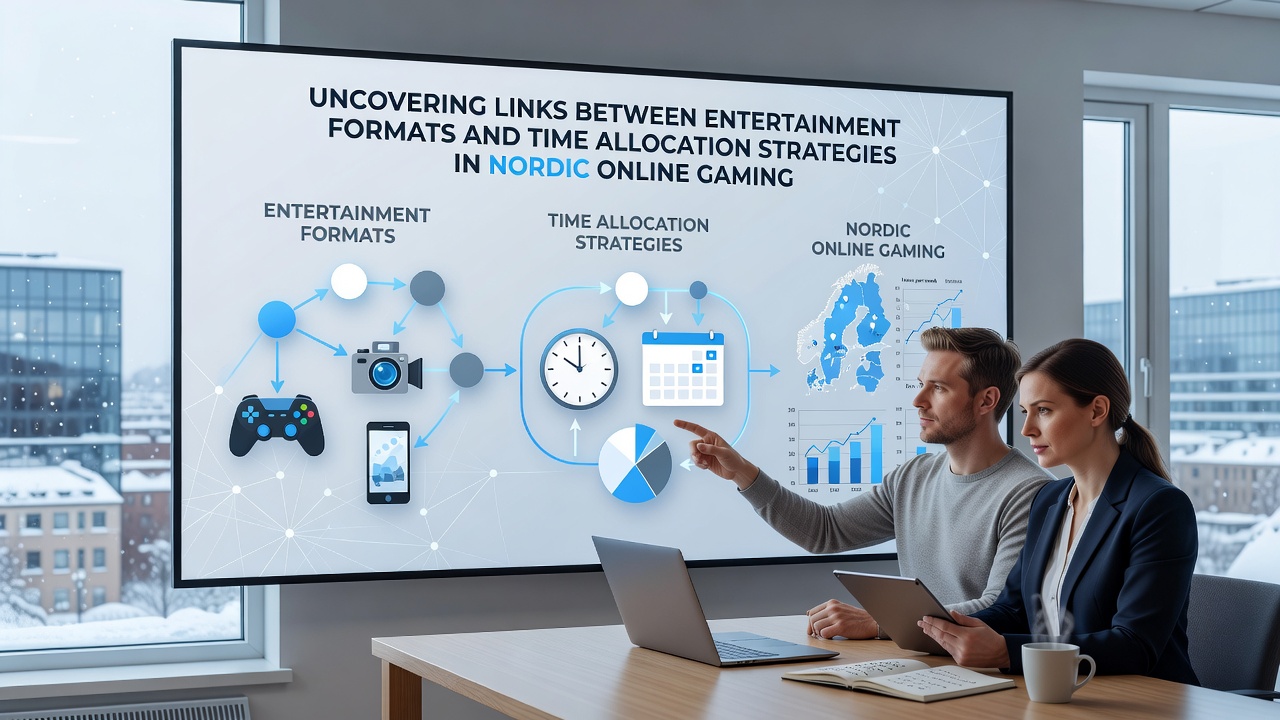
Regional Comparisons and Emerging Data Trends
Cross-border comparisons reveal subtle differences, with Swedish players showing stronger preferences for integrated streaming and gaming setups that extend session continuity, while Finnish groups demonstrate higher rates of mobile-only engagement during work commutes. Reports issued by the Canadian Gaming Research Institute in collaboration with Nordic partners highlight that these variations tie directly to infrastructure availability and cultural attitudes toward screen time. In October 2026, updated metrics from several ongoing studies indicated a measurable uptick in hybrid format usage, where participants alternate between entertainment types within the same hour, resulting in refined time allocation tactics that prioritize recovery periods between intense sessions.
Observers tracking these developments note that players employing multiple formats tend to develop more granular scheduling habits, breaking larger blocks into manageable segments to accommodate both competitive and casual experiences. Evidence from aggregated platform analytics supports the observation that time spent on live events often displaces shorter mobile sessions rather than adding to overall totals, suggesting strategic substitution rather than simple accumulation. Those studying the field continue to map how these choices reflect broader lifestyle adjustments in high-connectivity Nordic societies.
Conclusion
Connections between entertainment formats and time allocation strategies in Nordic online gaming circles rest on observable data patterns that researchers continue to document through surveys, logs and regional comparisons. As new figures emerge around October 2026 and beyond, these links provide clearer insight into how participants across Finland, Sweden, Norway and Denmark navigate expanding digital options while managing finite daily hours. Continued analysis from academic and industry sources will likely refine understanding of these dynamics without prescribing specific approaches.