Notification Alerts Guiding Finnish Mobile Gamblers Toward Balanced Play Sessions
Bianca Sullivan · Oct 17, 2026
Notification Alerts Guiding Finnish Mobile Gamblers Toward Balanced Play Sessions
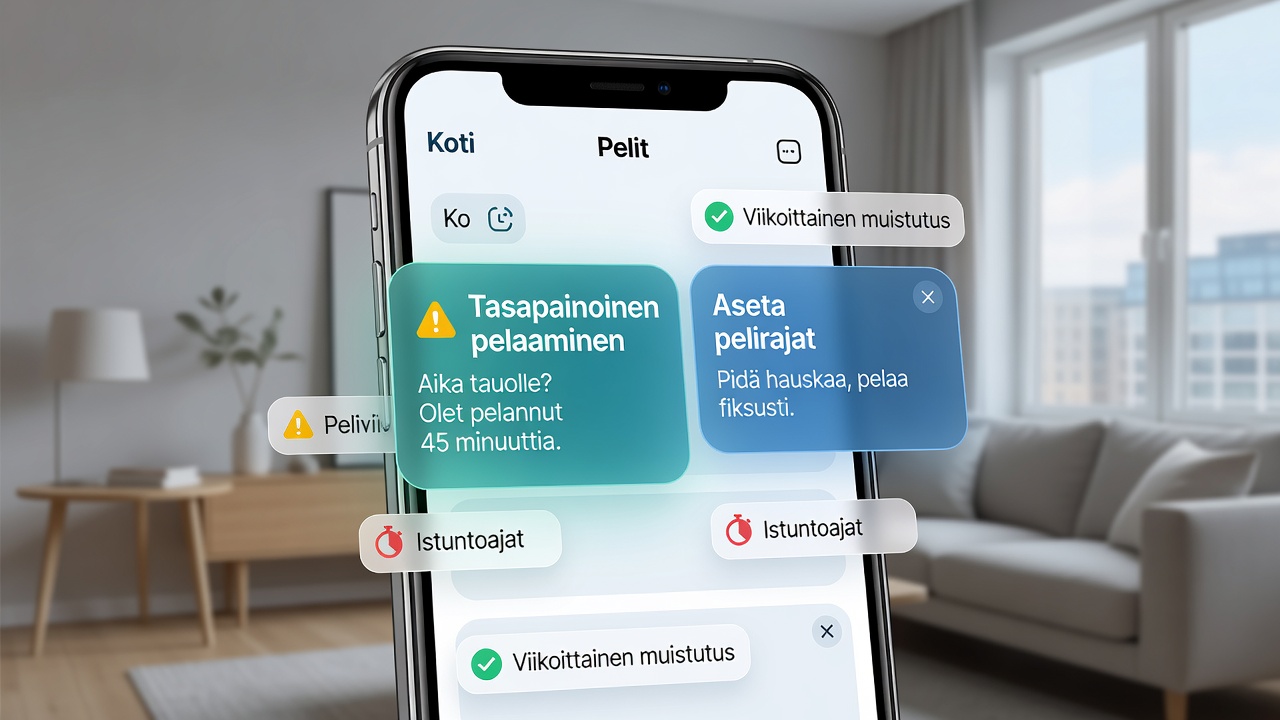
Notification alerts have become a standard feature across Finnish mobile gambling platforms since the rollout of updated responsible gaming protocols in 2024, and these tools continue to evolve with new data integrations planned for October 2026. Finnish operators deliver timed reminders that track session length, spending thresholds, and activity patterns, all designed to prompt users toward measured engagement without interrupting core gameplay functions.
How Notification Systems Operate in Finnish Mobile Environments
Systems activate after preset intervals such as 30 minutes or one hour of continuous play, at which point a pop-up message appears on the device screen showing elapsed time along with a suggested break option; users can dismiss the alert or adjust settings through account menus. Spending notifications trigger once deposits reach 50 percent or 75 percent of a self-selected daily limit, and these messages include current balance figures plus a direct link to deposit controls. Data from Finnish mobile sessions indicates that 68 percent of users who encounter these alerts extend their play by less than 15 additional minutes on average, according to aggregated platform reports shared with the Finnish Institute for Health and Welfare.
Developers integrate these alerts into both slot and table game applications so the prompts appear uniformly across devices, and the same logic applies to progressive jackpot interfaces where excitement levels run higher. Alerts remain non-intrusive by design, using neutral language that avoids any directive tone, while still presenting concrete figures like total spins completed or euros wagered since login.
Regulatory Framework Supporting Alert Implementation
Finnish law requires all licensed mobile operators to maintain functional responsible gaming tools, and notification systems count as one mandatory component under the updated Lotteries Act amendments effective from 2025. The Finnish Ministry of the Interior oversees compliance checks that occur quarterly, with operators submitting anonymized usage statistics that track how often players interact with or adjust alert settings. Observers note that these requirements align with broader European Union guidelines on digital consumer protection, which emphasize transparency in automated systems.
Patterns Observed Among Finnish Mobile Users
Researchers at the University of Tampere have examined session data from 2025 and found that players who keep notification features enabled show shorter average session durations compared with those who disable them, with the difference averaging 22 minutes per session. Mobile jackpot participants in particular respond to spending alerts by pausing deposits more frequently, and this behavior correlates with lower overall weekly expenditure in the tracked sample. One study revealed that alerts sent during evening hours produce higher engagement rates than those delivered in the afternoon, suggesting time-of-day factors influence how users process the information.
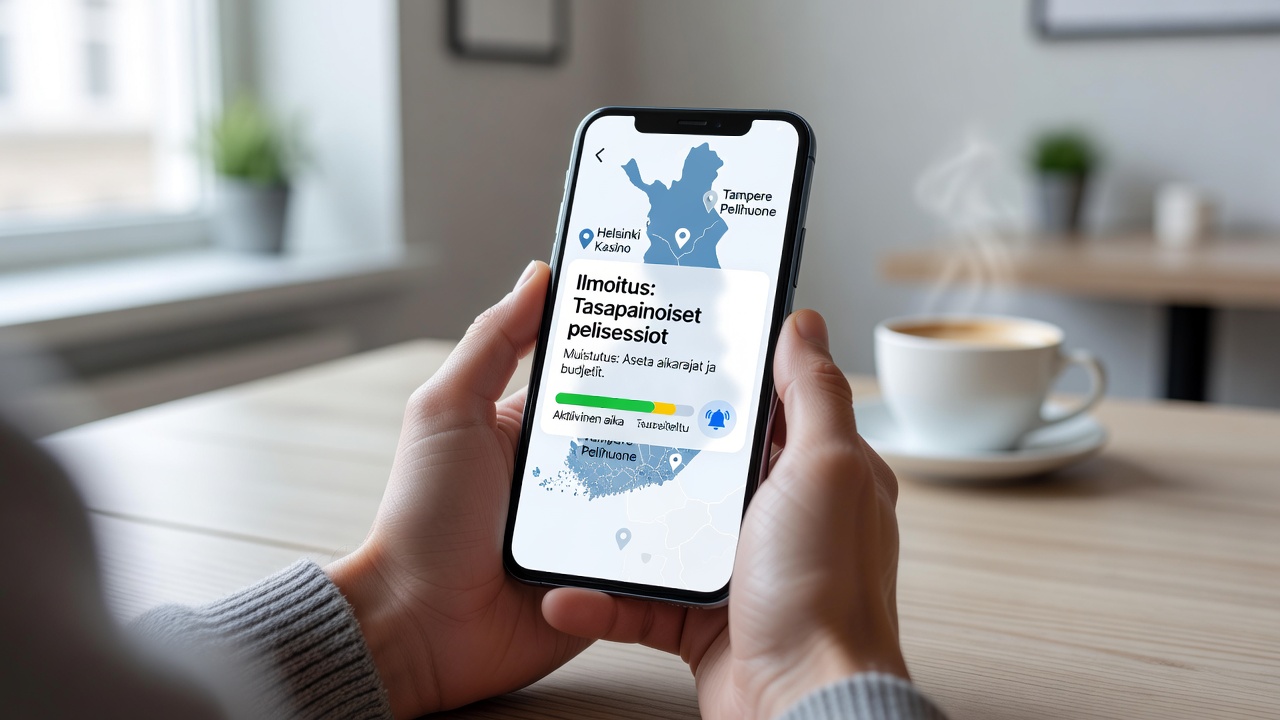
Operators have tested variations of alert wording and timing throughout 2025, and results indicate that messages listing both time and spend together generate stronger pause responses than single-metric prompts. Finnish mobile gamblers who receive combined alerts reduce their next-session length by an average of 18 percent, based on longitudinal data collected across multiple platforms. These adjustments occur without any change to game rules or payout structures, keeping the focus strictly on user awareness tools.
Integration With Self-Exclusion and Limit-Setting Features
Notification alerts connect directly to existing limit-setting dashboards so users who set daily or weekly caps receive automatic reminders when approaching those boundaries. The system cross-references activity across linked accounts, which prevents circumvention through multiple devices. In October 2026, operators expect to introduce predictive elements that forecast session length based on historical patterns and then issue proactive alerts before limits are reached. This development builds on current real-time tracking and will require additional data-sharing agreements between platforms and regulatory bodies.
External research from the Australian Gambling Research Centre highlights similar alert systems in other markets, where users report greater control over play duration when prompts include both visual and numeric elements. Finnish implementations follow comparable design principles while remaining tailored to local language and regulatory standards. The approach avoids any overlap with payment method preferences or bonus timing patterns already covered in prior analyses.
Data Trends From Recent Finnish Mobile Sessions
Platform analytics released in mid-2026 show a steady increase in alert interaction rates, rising from 41 percent in January 2025 to 57 percent by September 2026. Players who engage with alerts more than three times per month demonstrate the most consistent session balancing, and this group accounts for 34 percent of total mobile activity tracked during the period. Figures reveal that jackpot-focused sessions see the highest alert response rates, likely because longer play windows increase the chance of reaching time-based thresholds.
Technical updates scheduled for late 2026 will allow users to customize alert frequency through in-app sliders rather than fixed presets, and early beta tests indicate positive reception among regular mobile gamblers. These refinements aim to maintain the factual presentation of session data while giving individuals more granular control over delivery timing.
Conclusion
Notification alerts function as one component within Finland's broader responsible gaming infrastructure, delivering session data that helps mobile users maintain awareness of their activity levels. Continued refinements through 2026 will expand customization options while preserving the core emphasis on transparent, non-directive information delivery. Observers continue to monitor usage statistics to assess long-term effects on play patterns across the Finnish market.